Decoding UK Gas Safety Guidelines: What You Need to Know
- jonnyquinn38
- Jan 26
- 4 min read

When it comes to keeping your home or business safe, understanding the UK gas safety guidelines is essential. Gas appliances and installations are part of everyday life, but they can pose serious risks if not handled properly. I want to walk you through the key points of these guidelines, so you feel confident about gas safety in your property. Whether you’re a homeowner or run a business in Salisbury or nearby towns, this guide will help you stay informed and secure.
Understanding UK Gas Safety Guidelines
Gas safety in the UK is governed by strict rules designed to protect people from the dangers of gas leaks, carbon monoxide poisoning, and explosions. These rules apply to anyone who owns or manages gas appliances, including boilers, cookers, and heaters.
The main law covering this is the Gas Safety (Installation and Use) Regulations 1998. It requires that all gas appliances are installed, maintained, and checked by a Gas Safe registered engineer. This ensures the work is done safely and correctly.
Here are some practical tips to keep in mind:
Always use a Gas Safe registered engineer for any gas work.
Have your gas appliances serviced annually.
Check for signs of gas leaks, such as a smell of gas or a pilot light that won’t stay lit.
Install carbon monoxide detectors near gas appliances.
Following these guidelines not only keeps you safe but also helps avoid costly repairs or legal issues.
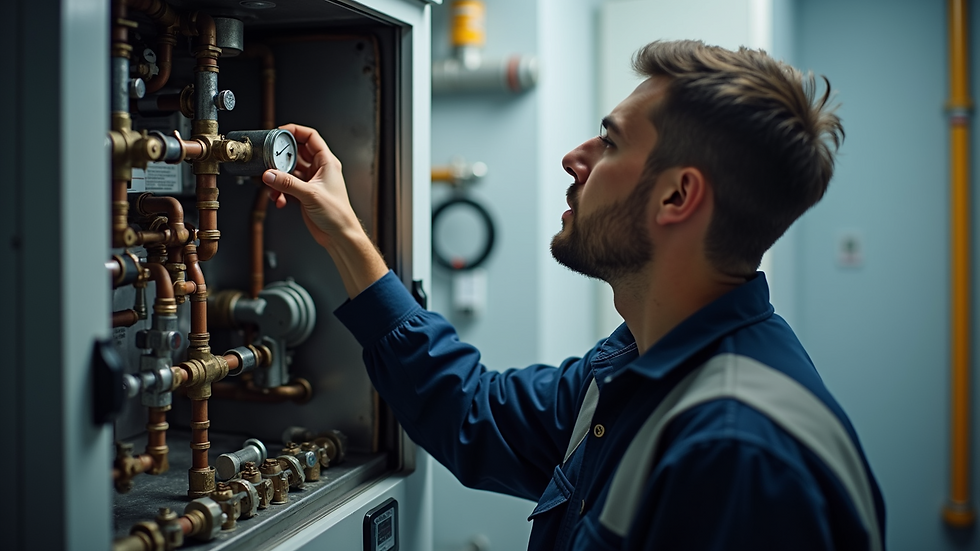
Why Regular Gas Safety Checks Matter
Regular gas safety checks are more than just a legal requirement - they are a vital part of protecting your property and everyone inside it. For landlords, it’s a legal duty to have an annual gas safety check and provide tenants with a copy of the safety certificate.
For homeowners and businesses, regular checks can spot potential problems early. For example, a small gas leak might not be obvious but can be detected during a professional inspection. Fixing issues early prevents accidents and keeps your heating and cooking appliances running efficiently.
Here’s what a typical gas safety check includes:
Checking the gas pipework and appliances for leaks or damage.
Testing the appliance’s safety devices.
Ensuring proper ventilation.
Checking the flue and chimney for blockages.
Confirming the appliance is burning gas correctly.
If you haven’t had a gas safety check recently, now is a great time to book one with a trusted local engineer.
What are 26.9 Checks?
You might have heard the term "26.9 checks" mentioned in relation to gas safety. These are specific safety inspections required under regulation 26.9 of the Gas Safety (Installation and Use) Regulations. They apply mainly to commercial properties and certain types of gas appliances.
A 26.9 check is a thorough examination of gas appliances and installations to ensure they are safe to use. It involves detailed testing and inspection beyond the usual annual safety check. This might include pressure testing, checking for gas tightness, and verifying that all safety controls are working properly.
If you run a business or manage commercial premises in Salisbury, it’s important to understand whether 26.9 checks apply to your property. A qualified Gas Safe engineer can advise you and carry out these checks to keep your premises compliant and safe.

How to Choose the Right Gas Safe Engineer
Choosing the right professional to handle your gas safety needs is crucial. Not all engineers are the same, and using someone who isn’t Gas Safe registered can put you at risk and may invalidate your insurance.
Here are some tips to help you pick the best engineer:
Check the Gas Safe Register: Always verify the engineer’s registration online or ask to see their Gas Safe ID card.
Look for local experience: An engineer familiar with Salisbury and nearby areas will understand local regulations and common issues.
Ask for references or reviews: Hearing from other customers can give you confidence in their service.
Get a clear quote: A trustworthy engineer will provide transparent pricing before starting any work.
Ensure they offer a warranty: Good engineers stand behind their work with guarantees.
At JRQ Plumbing and Heating LTD, we pride ourselves on being a reliable and friendly local service. We’re committed to expert, transparent work that keeps your property safe and comfortable.
Staying Safe Between Checks
While professional inspections are essential, there are simple steps you can take every day to maintain gas safety:
Ventilate rooms: Keep rooms with gas appliances well ventilated to prevent gas build-up.
Know the signs of a gas leak: Smell of gas, hissing sounds, or dead plants near appliances.
Install carbon monoxide alarms: These can save lives by alerting you to dangerous gas levels.
Don’t ignore warning signs: If your gas appliance smells strange or isn’t working properly, turn it off and call a professional immediately.
Keep appliances clean: Dust and debris can affect appliance performance and safety.
By staying vigilant and proactive, you can reduce risks and enjoy the benefits of gas appliances safely.
Your Next Step for Gas Safety in Salisbury
Understanding and following the gas safety regulations is a key part of protecting your home or business. If you’re in Salisbury or the surrounding areas, don’t wait to get your gas appliances checked by a trusted professional.
JRQ Plumbing and Heating LTD is here to help with all your plumbing and heating needs. We offer expert advice, thorough safety checks, and friendly service you can rely on. Reach out today to schedule your gas safety inspection and keep your property safe and warm all year round.


Comments